White Noise for Babies: Safe Setup and Tips That Actually Help
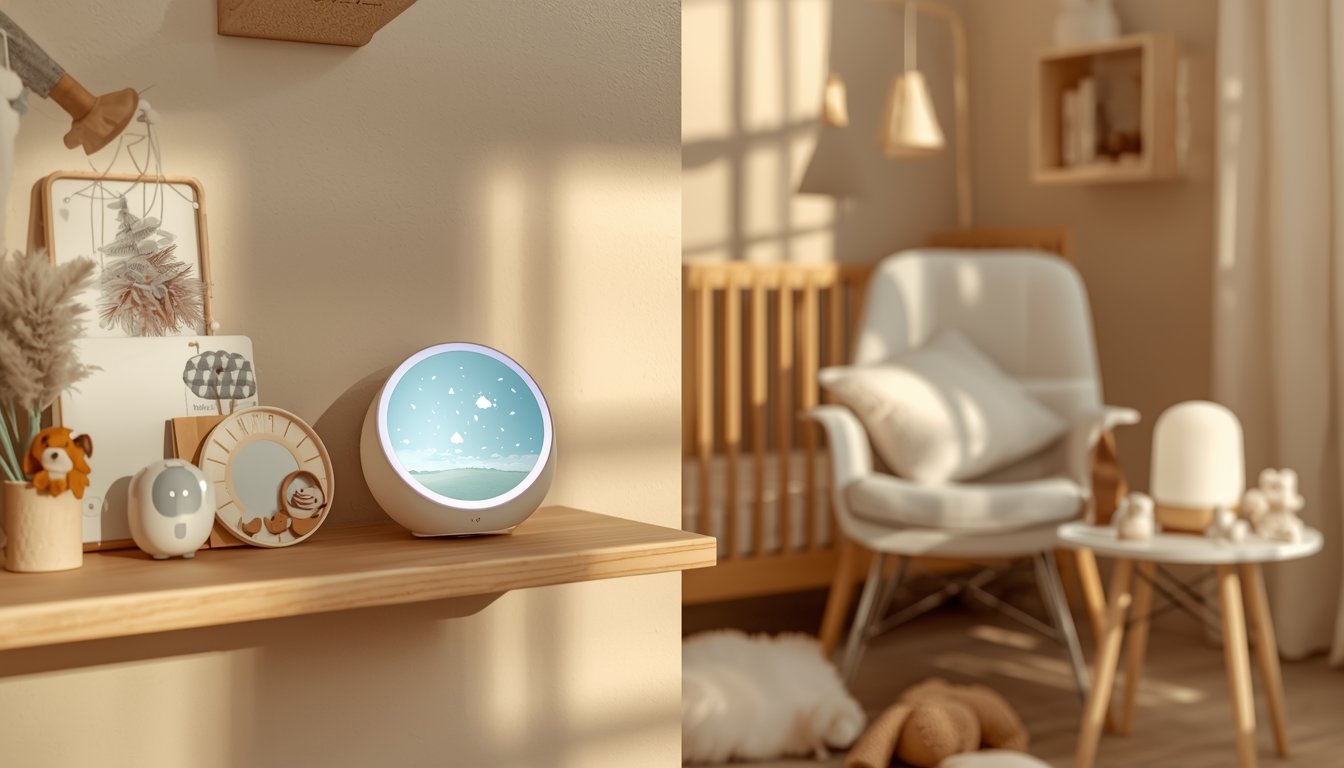
White noise is like a “do not disturb” sign for newborns—if you set it up correctly. If it’s not working for you, it’s usually not because your baby is immune to sleep cues. It’s because of one of a few fixable setup issues.
This post covers:
- why white noise can help newborn sleep
- a safe, common-sense setup checklist
- how to pick the right sound (without turning your nursery into a DJ set)
- when it works best (transfers, naps, day/night reset)
- the most common mistakes that make it feel useless
- FAQs: safety, volume, and “all night or not?”
Big picture sleep guide: Why Won’t My Newborn Sleep?
Sleep & Nursery hub: Sleep & Nursery Essentials
What “white noise” actually means (and why there’s confusion)?
People say “white noise” but often mean one of these:
- White noise: steady “shhh” with more high-frequency sound (like TV static, but nicer)
- Pink noise: slightly softer, deeper sound (many people find this more pleasant)
- Brown noise: even deeper/rumblier (think low roar)
- Nature sounds: rain, ocean, fan, etc. (not technically white noise, but can still work)
For baby sleep, the label matters less than the effect:
- steady sound
- not spiky or attention-grabbing
- consistent over time
If your sound has sudden bird chirps or wave crashes that feel like jump-scares… your baby might not love that.
Why white noise helps (especially for newborns)?
1) The womb is not a library
Newborns spent months in a constant whoosh of internal body sounds. Quiet can feel unfamiliar. A steady sound can be comforting simply because it resembles what they’re used to.
2) It masks household “gotchas”
White noise helps cover unpredictable sounds like:
- a door clicking
- a sibling yelling “MOM!”
- a dog shaking their whole body like a maraca
- your knee cracking at maximum volume during a transfer
Masking doesn’t mean “silence”. It means fewer sudden spikes that startle baby awake.
3) It becomes a consistent sleep cue
Babies learn patterns through repetition. Over time, white noise can act as a “sleep is happening now” cue—especially when paired with other cues like dim light and a short routine.
Read more about day and night cues: Newborn Day/Night Confusion: A 7-Day Reset Plan (That Doesn’t Require Perfection)
Safe setup checklist (common-sense, high-impact)
1) Volume: keep it reasonable
The goal is “shower sound in the background”, not “front row at a concert”.
Practical way to check
- If you have to raise your voice to speak over it near the bassinet, it’s too loud.
- If it’s barely audible from where baby sleeps, it’s probably too quiet to mask anything.
Always follow your device’s manufacturer guidance for safe use.
2) Distance: don’t place it right beside baby’s head
Place the machine at a sensible distance—across the room, on a dresser, or on a shelf—not inside the crib/bassinet and not right at ear level. Think of it as “in the room”, not “in the baby’s personal space”.
3) Choose one sound and stick with it
Constantly changing sounds can make the cue weaker. Your baby is learning: “This sound = sleep”. If you swap it nightly like a playlist, it’s harder for the brain to latch onto.
Pick one:
- a steady “shhh”
- fan-like noise
- a consistent rain sound (no thunder surprises)
Then keep it consistent for at least 1–2 weeks before deciding it “doesn’t work”.
4) Timing: turn it on before sleep, not after chaos begins
White noise works best when it’s part of the environment as baby falls asleep—not something you turn on after they’re already fully awake and screaming like they’re auditioning for a horror film.
Best timing
- turn it on before the nap/bedtime routine
- keep it running through the transfer
- keep it steady if baby stirs
Read about the transfer guide here: Baby Wakes Up When Put Down: The “Crib Is Lava” Transfer Guide (Step-by-Step)
5) Pair it with the other two “sleep cues that matter”
White noise works best when the environment isn’t fighting it. The big two:
- Dim light
- Low stimulation
If the room is bright, the TV is on, and you’re chatting like it’s brunch… white noise can’t carry the whole sleep team.
Where white noise works best (the “use it strategically” section)?
During transfers (aka Crib Is Lava moments)
Transfers often fail because baby notices a sudden change: warmth → cool mattress, motion → stillness. White noise helps by:
- keeping one cue constant during the change
- masking small noises like mattress creaks, zipper sounds, floor squeaks
Use it as part of your transfer routine: The 7-step transfer method that actually helps
During naps in a bright, daytime household
Daytime naps happen in the middle of life:
- doorbells
- kitchen sounds
- siblings
- street noise
White noise can help naps stick without requiring your house to become a silent monastery.
To support day/night cues
When paired with dim light and boring night responses, white noise becomes a strong “nighttime” signal. Day/night reset plan: Newborn Day/Night Confusion: A 7-Day Reset Plan (That Doesn’t Require Perfection)
How to tell if your white noise setup is working?
It may not create instant 2-hour naps. But signs it’s helping include:
- baby settles faster (even by a few minutes)
- baby startles less from household sounds
- transfers feel slightly less fragile
- baby resettles more easily during light sleep noises
If you see small improvements, keep going. White noise is often a “percentage boost”, not magic.
Common mistakes that make white noise feel useless (and what to do instead)
Mistake 1: It’s too quiet
If it’s whisper-level, it won’t mask anything and won’t feel like a steady environment cue.
Fix: Increase slightly (still reasonable), and place it where the sound fills the room evenly.
Mistake 2: You turn it on too late
If baby is already fully awake, white noise isn’t a reset button—it’s just background.
Fix: Turn it on before the routine, keep it running through the transfer.
Mistake 3: Changing the sound constantly
If you rotate between ocean, rain, womb sounds, wind chimes, and “whale meditation”, the cue loses power.
Fix: Pick one steady track and commit for 1–2 weeks.
Mistake 4: The sound is too interesting (spiky sounds)
Some “nature” tracks have sudden bird chirps, wave crashes, or twinkly tones.
Fix: Choose a steady, boring sound—fan-like is often safest.
Mistake 5: You’re using white noise but the room is bright and stimulating
White noise helps with sound, not with light and excitement.
Fix: Dim the room, reduce stimulation, keep interactions boring during night wakes.
Mistake 6: You expect it to fix overtiredness
If baby is overtired, they may fight sleep no matter what cues you use.
Fix: Address overtiredness first (earlier nap/bedtime, rescue nap if needed), then let white noise support the routine.
Mistake 7: The device turns off mid-nap
If the machine shuts off at 30 minutes, baby may wake at the same time they naturally hit a light sleep cycle—then the cue disappears.
Fix: Use continuous play during sleep periods if that’s your plan.
Should it run all night?
Many families run white noise continuously through the night because consistency is the point. Others use it only for falling asleep.
Practical guidance
- If your baby wakes when it turns off, keep it running.
- If your baby sleeps fine without it after falling asleep, you can experiment later.
- During the newborn phase, consistency often wins.
“Will my baby become dependent on white noise?”
This is a common worry. Two helpful truths:
- Many adults sleep better with steady background sound too. It’s not inherently bad.
- If you ever want to wean, you can do it gradually by lowering volume over time.
For most families, the bigger priority is: everyone gets more sleep now.
FAQs
Is white noise safe for newborns?
When used responsibly—reasonable volume, sensible distance, and following manufacturer guidance—many families use it as a helpful sleep cue. The biggest safety issues usually come from volume too high or placing the device too close.
How loud should it be?
Keep it reasonable. A practical check: if you need to raise your voice to talk over it near the sleep space, it’s too loud. If it’s barely audible where baby sleeps, it may be too quiet to help.
Should it run all night?
It can. Many families run it continuously so the cue stays consistent through sleep cycles. If turning it off leads to wake-ups, continuous play may work better.
Does white noise help with transfers?
Often, yes—because it keeps one cue constant and masks small noises during the handoff. Read about the transfer method here: The 7-step transfer method that actually helps
Need more help?
If you want the full newborn sleep picture: Why Won’t My Newborn Sleep?
For Sleep & Nursery essentials that make nights easier: Sleep & Nursery Essentials
If you’re fixing day/night confusion, start here: Newborn Day/Night Confusion
If transfers are the main struggle, read: Baby Wakes Up When Put Down